Beer Steins: A Timeless Tradition of Art and Craft
Beer steins have been a symbol of art and tradition for centuries, originating in the 14th century to improve hygiene. The Carmel Christkindlmarkt offers limited-edition steins each year, making them collector’s items for beer enthusiasts and showcasing Indiana’s rich heritage.
October 16, 2024
•
6
min read
For centuries, beer steins - known in German as Bierkrüge - have been the traditional drinkware for enjoying beer. These steins are typically made from ceramic or glass and feature a handle and a lid. They come in various sizes and shapes, often adorned with intricate designs.
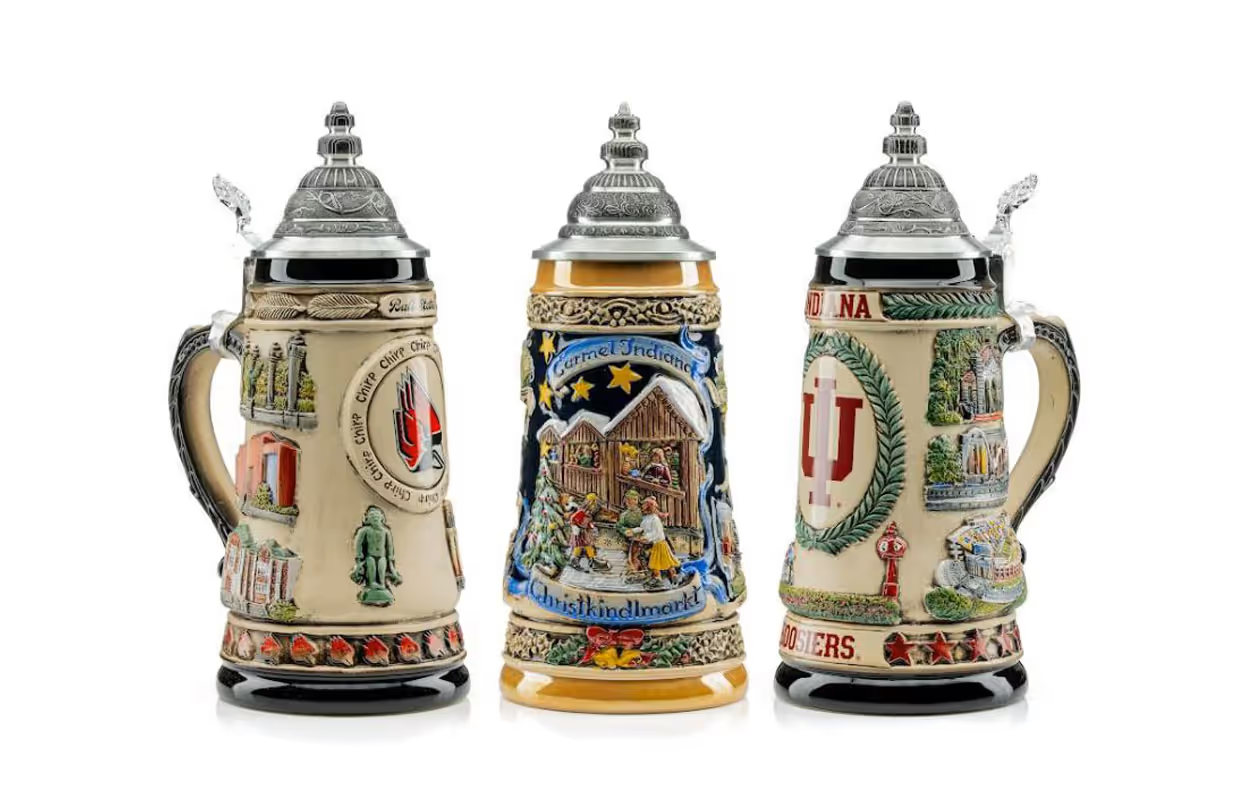
The Carmel Christkindlmarkt introduces a newly crafted stein that symbolizes Indiana each year. Previous years have seen steins representing renowned institutions such as Ball State University, Butler University, Indiana University, Purdue University, the State of Indiana, and Carmel, Indiana. These unique steins are exclusively available at the Market while supplies last, making them collector's items for enthusiasts.
History of Beer Steins
The origins of beer steins date back to the 14th century when they were primarily crafted from pewter and used by wealthy individuals. In 1348, Germany was struck by the Bubonic plague, known as the "Black Death," which brought death and flies. Accompanied by strict quarantine measures and the influx of disease, the German government aimed to implement more hygienic practices in eating and drinking establishments. One such measure was a law mandating that all drinking vessels be covered to deter insects. The measure brought about alterations in the brewing and transportation of beer, leading to a better quality of German beer.
During the 17th century, beer steins began to be made of ceramic, gaining popularity among the general population. Germany's western regions are renowned for their rich clay deposits, which have significantly contributed to the proliferation and popularity of stoneware steins. By the 18th century, these steins became common in taverns and homes throughout Europe, symbolizing the evolution of drinking culture and public health practices.
Designs of Beer Steins
Beer steins frequently feature intricately designed decorations. These designs may depict scenes from nature, historical events, or religious imagery. Some beer steins also bear inscriptions or quotes. The detailed and realistic designs on beer steins make them a work of art.
Zöller & Born was established in 1956 and is a German family-run business that crafts high-quality steins using traditional methods. Each stein is meticulously hand-designed using specialized tools and individually painted by skilled artisans. The company exclusively utilizes German materials and a local workforce. See the Carmel Christkindlmarkt's Ball State University limited edition beer stein being made by Zöller & Born here:
Modern Types of Beer Steins
There are many different types of beer steins; one common feature is the presence of a handle and lid, often crafted from pewter. Steins are popular among collectors and frequently serve commemorative and decorative purposes. Among today’s stein types are:
Traditional Beer Steins: Typically crafted from ceramic, these steins are recognized for their intricate artwork and exquisite decorations.
Glass Beer Steins: Crafted from glass, these steins showcase a minimalistic design compared to traditional beer steins. They offer an unobstructed view of intricate designs and artwork.
Stoneware Beer Steins: Crafted from stoneware, these heavy steins are known for their durability and intricate decorations.
Pewter Beer Steins: Crafted from durable materials like tin and copper, these steins are built to last and are easy to clean.
In the modern era, beer steins remain popular for enjoying beer. They hold a special place at the Carmel Christkindlmarkt, where they are sought after by beer enthusiasts and collectors. These steins are prized as decorative pieces and gifts.
Whether you’re visiting with mobility needs, traveling with a service animal, or planning ahead for a smoother experience, we want to ensure the Market is both welcoming and easy to access for everyone.